

organized by the Institute for Oncology and Radiology of Serbia (IORS) in collaboration with the European Academy of Sciences and Arts (EASA)
September 21-22, 2026
This Congress brings together leading experts in radiobiology, radiogenomics, radiation oncology and related disciplines to explore the evolving interface between fundamental biological research and precision radiotherapy. Particular emphasis is placed on mechanisms of radiation response, predictive biomarkers, particle therapy, and artificial intelligence-driven translational approaches.
The Congress seeks to promote academic excellence, interdisciplinary dialogue and the integration of scientific innovation into clinical practice, in the spirit of the European Academy of Sciences and Arts.
The congress provides participants with advanced knowledge and skills essential for contemporary oncology practice, translational research, and the formulation of personalized therapeutic strategies.
The congress has received accreditation from the Serbian Medical Chamber and the Health Council of Serbia as an international event, under accreditation number А-1-1005/26. The congress has been accredited as a continuing medical education event for physicians, pharmacists, biochemists, molecular biologists, and physicists. Attendance at the congress carries 10 CME credits for participants and 15 CME credits for invited speakers.
Attendance is free.
Dean, Class II, European Academy of Sciences and Arts, Austria
Professor, Faculty of Medicine, University of Ljubljana, Slovenia

FACR Director Department of Radiation Oncology, University of Freiburg, Germany

Clinical Laboratory Geneticist at Fundación Pública Galega Medicina Xenómica (FPGMX), SERGAS, Santiago de Compostela, Spain. Head of the Group Genetics in Cancer and Rare Diseases, Instituto de Investigación Sanitaria (IDIS), Santiago de Compostela, Spain
Chair of Dept. of Radiation Oncology, IEO, Full Professor of Radiation Oncology, University of Milan, Italy, President of the European Society for Radiotherapy and Oncology (ESTRO)
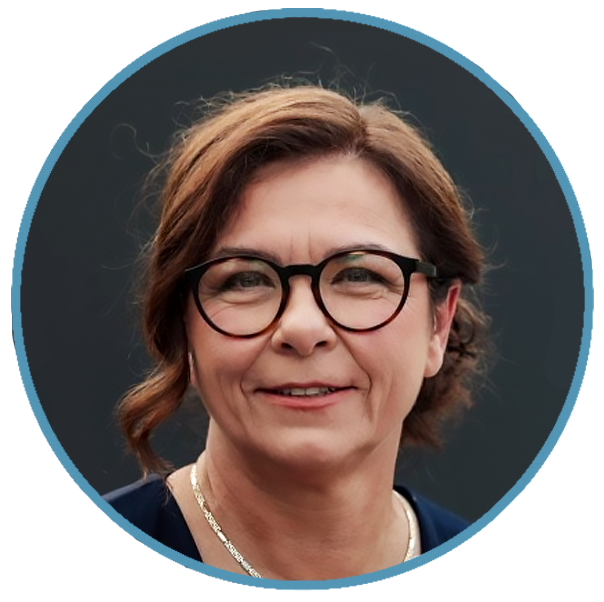
Head of the Research and Education Division at the Ljubljana Institute of Oncology and Head of the Department of Experimental Oncology; Full professor at the Faculty of Health Sciences, University of Primorska

Department of Biomedical Sciences, FB30 Department of Radiation Oncology, University Medical Center Groningen, University of Groningen, Netherlands

Head of Department of Radiobiology, at Biomedical Research Center Slovak Academy of Sciences, Bratislava

Professor of Radiation Biophysics, School of Applied Mathematical and Physical Sciences National Technical University of Athens (NTUA), Greece
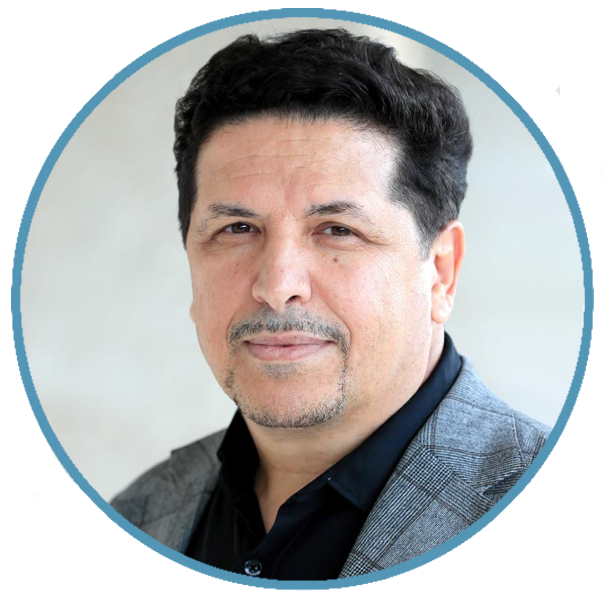
Head of PET Instrumentation & Neuroimaging Laboratory (PINLab) Geneva University Hospital

Senior Researcher, CMON Lab Data Science Unit Fondazione IRCCS Istituto Nazionale dei Tumori, Milan, Italy

Faculty of Medicine, University of Belgrade, Head of the Clinic for Radiotherapy, Institute for Oncology and Radiology of Serbia

Full Professor of Oncology and Radiology, Chairman of the Expert Committee for Oncology, Republic of Serbia, Deputy Director for Research and Education, Institute for Oncology and Radiology of Serbia
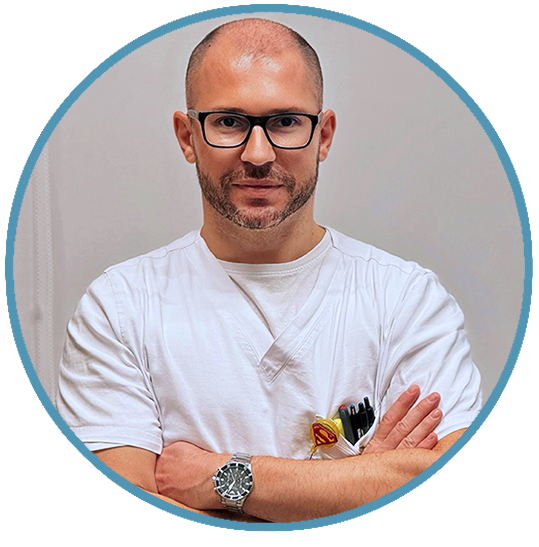
Research Associate, Faculty of Medicine, University of Belgrade, Institute for Oncology and Radiology of Serbia
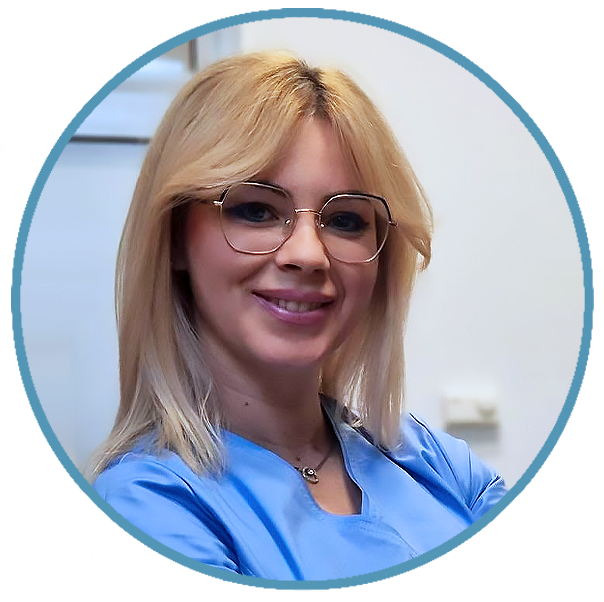
Research Associate, Faculty of Medicine, University of Belgrade, Institute for Oncology and Radiology of Serbia
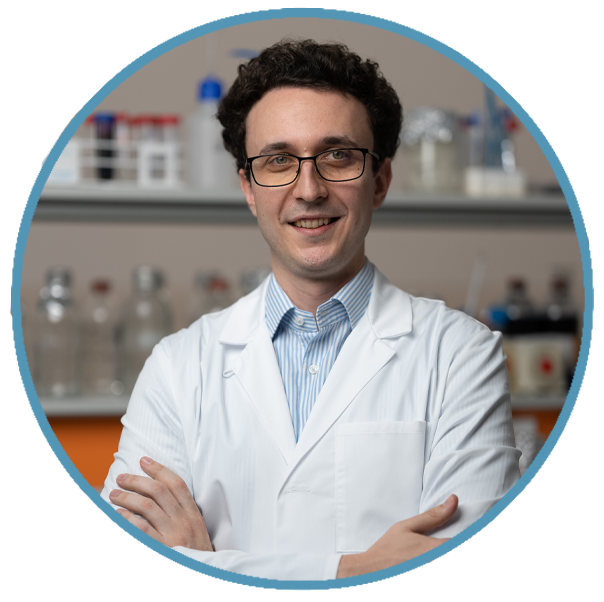
Research Associate, Faculty of Medicine, University of Belgrade, Institute for Oncology and Radiology of Serbia
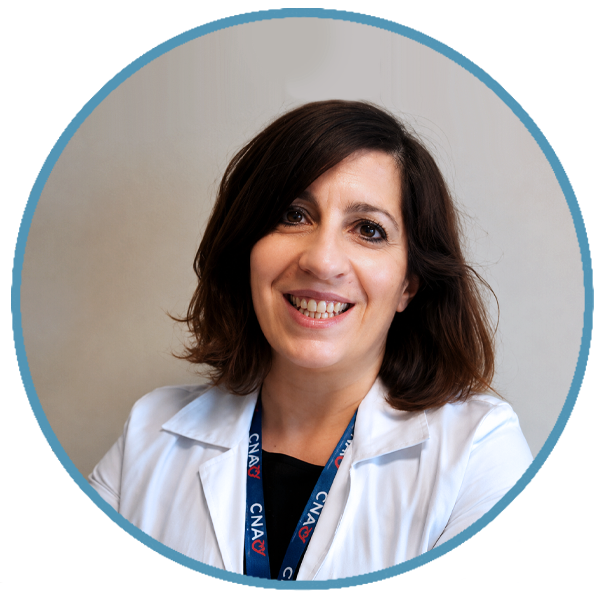
Associate Professor Department of Clinical, Surgical, Diagnostic, and Pediatric Sciences,
University of Pavia, Pavia, Scientific Coordinator of the Clinical - Scientific Department, National Center for Oncological Hadrontherapy, (Fondazione CNAO), Pavia, Italy. Chair, Dept. of Radiation Oncology, I.R.C.C.S. San Matteo Hospital Foundation, Pavia, Italy.

Ruprecht-Karls-Universität Heidelberg, Germany, conducted in the Department of Medical Physics in Radiation Oncology, German Cancer Research Center – DKFZ

Head of Research, Heading the interdisciplinary radiotherapy research at the Danish Center for Particle Therapy (DCPT) at Aarhus University Hospital in Aarhus, Denmark

Head of Personalized Medicine, Department of Epidemiology, University Medical Center Groningen (UMCG)
08:00 – 08:15
Opening ceremony
Session 1: Radiogenomics - Clinical Perspectives
Chairs: Alexandros Georgakilas and Tatjana Stanojković
08:15 – 08:45
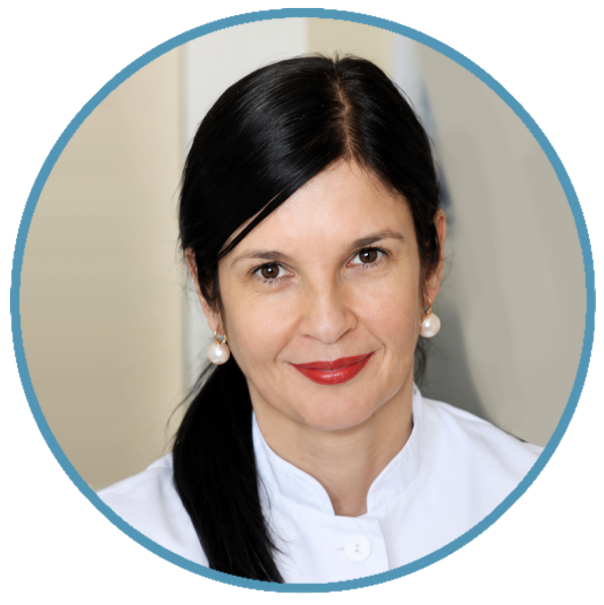
Prof. dr Anca-Ligia Grosu, FACR Director Department of Radiation Oncology, University of Freiburg, Germany
Peripheral immune response after WBRT with and without hippocampal avoidance
08:45 – 09:15
Prof. dr Catharine West, Professor of Radiation Biology, University of Manchester
Omic approaches for discovering biomarkers of radiotherapy response

09:15 – 09:45
Dr Ana Vega, PhD, Hospital Clínico Santiago de Compostela 15706, Santiago de Compostela, A Coruña, Spain
Clinical Impact of Genetic Variants on Radiotherapy Toxicity and Treatment Response

09:45 – 10:25
Discussion

10:25 – 10:40
Coffee break

10:40 – 11:10
Session 2: Radiobiology - Effects of Radiation on Normal Tissue
Chairs: Marina Nikitović and Ester Orlandi
Prof. dr Barbara Jereczek-Fossa, Chair of Dept. of Radiation Oncology, IEO, Full Professor of Radiation Oncology, University of Milan, Italy, President Elect of the European Society for Radiotherapy and Oncology (ESTRO)
The potential of radiation oncology: from biological insights to technological innovation-ESTRO perspective

11:10 – 11:40
Prof. dr Maja Čemažar, Head of the Research and Education Division at the Ljubljana Institute of Oncology and Head of the Department of Experimental Oncology; Full professor at the Faculty of Health Sciences, University of Primorska
Electroporation-Based Therapies Combined with Radiotherapy

11:40 – 12:10
Prof. dr. Rob P Coppes, Department of Biomedical Sciences, FB30 Department of Radiation Oncology, University Medical Center Groningen, University of Groningen, Netherlands
Difference in inflammatory and regenerative responses in normal tissue-derived organoids

12:10 – 12:40
Prof. dr Igor Belyaev, Head of Department of Radiobiology, at Biomedical Research Center Slovak Academy of Sciences, Bratislava
Integrated Cytogenetic and Molecular Markers of Radiation-Induced Genetic Instability: From Biodosimetry to Radiation Risk Assessment

12:40 – 13:10
Prof. dr Alexandros Georgakilas, PhD, Professor of Radiation Biophysics, School of Applied Mathematical and Physical Sciences National Technical University of Athens (NTUA), Greece
From DNA Damage Complexity to Radiogenomic Signatures: Mechanistic Determinants of Cellular Fate and Therapy Response

13:10 – 13:40
Discussion

13:40– 14:30
Lunch

14:30 – 15:00
Session 3: Machine Learning in Radiobiology and Radiogenomics
Chairs: Igor Belyaev and Niklas Wahl
Prof. dr Habib Zaidi, Head of PET Instrumentation & Neuroimaging Laboratory (PINLab) Geneva University Hospital
The promise of artificial intelligence in computational nuclear oncology and theranostic digital twins

15:00 – 15:30
Dr. Tiziana Rancati, PhD, Senior Researcher, CMON Lab Data Science Unit Fondazione IRCCS Istituto Nazionale dei Tumori, Milan, Italy
From population constraints to personalized risk: a bio-physical framework for NTCP modelling and iso-side-effect planning

15:30 – 16:10
Discussion

16:10 – 16:20
Industry-Supported Lecture

16:20 – 16:30
Industry-Supported Lecture

16:30 – 17:30
Visit to the Clinic for Radiation Oncology - IORS

08:00 – 08:30
Session 4: Research in Serbia - Experiences and ongoing collaborative research
Chairs: Tatjana Stanojković and Marina Nikitović
Asst. Prof. Aleksandar Tomašević, MD, PhD, Faculty of Medicine, University of Belgrade, Head of the Clinic for Radiotherapy, Institute for Oncology and Radiology of Serbia
The Institute for Oncology and Radiology of Serbia: Radiotherapy Clinic Overview and Clinical Experience

08:30 – 09:00
Prof. dr Marina Nikitović, MD, PhD, Full Professor of Oncology and Radiology, Chairman of the Expert Committee for Oncology, Republic of Serbia, Deputy Director for Research and Education, Institute for Oncology and Radiology of Serbia
Current Aspects of Radiobiology in Institute for Oncology and Radiology of Serbia - road to RadExIORSBoost

09:00 – 09:30
Asst. Prof. Aleksandar Stepanović, MD, PhD, Research Associate, Faculty of Medicine, University of Belgrade, Institute for Oncology and Radiology of Serbia
Decoding Radiotherapy Response in Brain Tumors: The Role of MicroRNAs
09:30 – 10:00
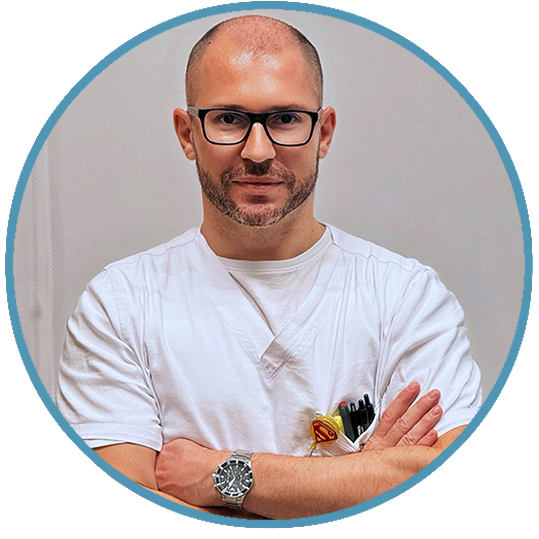
Dr. sc. med. Katarina Kopčalić, MD, PhD, Research Associate, Institute for Oncology and Radiology of Serbia
Biomarkers as a predictor of radiotoxicity in prostate cancer patients

10:00 – 10:30
Asst. Prof. Mladen Marinković, MD, PhD, Research Associate, Faculty of Medicine, University of Belgrade, Institute for Oncology and Radiology of Serbia
Radiobiology of rectal cancer - insights from the STEPUPIORS Horizon Europe project

10:30 – 11:00
Discussion
11:00 – 11:15
Coffee break

11:15 – 11:45
Session 5: Proton Therapy
Chairs: Aleksandar Stepanović and Igor Belyaev
Dr. Ester Orlandi, Head of Clinical Department of the CNAO Foundation (National Center of Oncological Hadrontherapy) of Pavia, Italy
Advancing precision in particle therapy: from biomarker-driven trials to enhanced quality of life

11:45 – 12:15
Dr. rer. Nat. Niklas Wahl, PhD, Ruprecht-Karls-Universität Heidelberg, Germany, conducted in the Department of Medical Physics in Radiation Oncology, German Cancer Research Center – DKFZ
Towards the Direct Integration of Multimodal Outcome Prediction Models

12:15 – 12:45
Prof. dr Cai Grau, Head of Research, Heading the interdisciplinary radiotherapy research at the Danish Center for Particle Therapy (DCPT) at Aarhus University Hospital in Aarhus, Denmark
Proton Therapy towards 2030: Progress, Challenges, and Future Directions

12:45 – 13:25
Discussion
13:25 – 13:35
Industry-Supported Lecture

13:35 – 13:45
Industry-Supported Lecture
13:45 – 14:00
Closing remarks

14:00
Lunch


Professor of Radiation Oncology, Medical Faculty Mannheim, University of Heidelberg, Germany

Department of Experimental Oncology at the Institute of Oncology Ljubljana, Slovenia
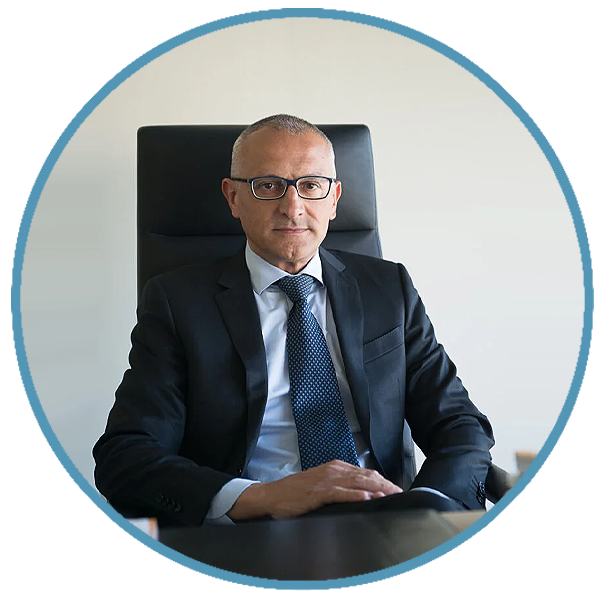
Director General of the National Centre for Oncological Hadrontherapy in Pavia, Italy
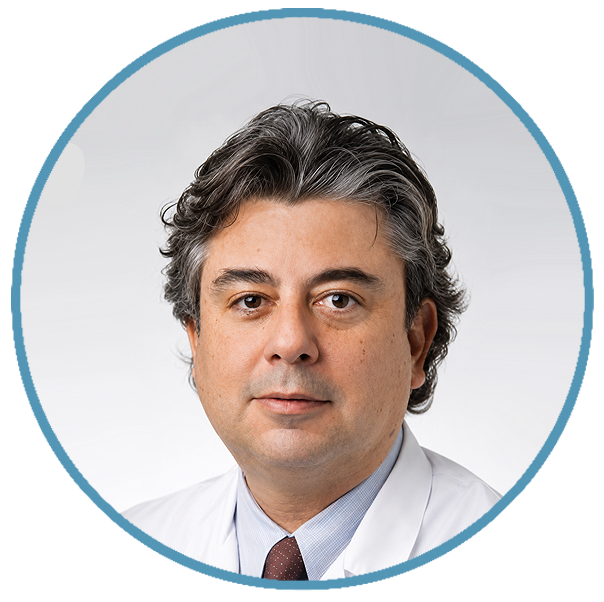
Full Professor, Lausanne University Hospital CHUV and University of Lausanne, Switzerland.
Full Professor of Oncology and Radiology, Chairman of the Expert Committee for Oncology, Republic of Serbia, Deputy Director for Research and Education, Institute for Oncology and Radiology of Serbia
Dean, Class II, European Academy of Sciences and Arts, Austria
Professor, Faculty of Medicine, University of Ljubljana, Slovenia

Asst. Prof. Research Associate at IORS and the Faculty of Medicine, University of Belgrade

Junior Researcher; Teaching Assistant in Pathophysiology at the Faculty of Pharmacy, University of Belgrade





All meetings will take place at the Belgrade art hotel located on the main pedestrian street in Belgrade’s city center. Coffee breaks and lunch will take place in the foyer and restaurant adjacent to the conference meeting room.

Arrival
The hotel is 18 kilometers from the airport. The journey will take 20 minutes by car and will cost approximately EUR 18.
The hotel is located 2 kilometers from the Belgrade Centre Railway Station. The journey will take 5 minutes by car and will cost approximately EUR 3.
Knez Mihailova 27, Belgrade
+381 113 312 000
More Information about Belgrade and Serbia
For more information on Belgrade and Serbia please visit:
The international congress “From Basic Radiobiology towards Radiogenomics,” organized by the Institute for Oncology and Radiology of Serbia, serves as a continuing education program focused on the latest advancements in radiobiology, radiogenomics, proton therapy, and the use of machine learning in radiation oncology.
The congress has received accreditation from the Serbian Medical Chamber (Srpska lekarska komora) and the Health Council of Serbia (Zdravstveni savet Srbije) as an international event, under accreditation number А-1-1005/26.The congress has been accredited as a continuing medical education event for physicians, pharmacists, biochemists, molecular biologists, and physicists. Attendance at the congress carries 10 CME credits for participants and 15 CME credits for invited speakers.
The program aims to integrate cutting-edge knowledge across these disciplines, emphasizing the translation of scientific research into clinical applications. It brings together leading experts in molecular oncology, radiobiology, epidemiology, biomedical engineering, and artificial intelligence, providing participants with a thorough understanding of current trends and future prospects in the field.
One thematic session will focus on radiogenomics, exploring the genetic and multi-omics factors that influence radiosensitivity and radioresistance. Speakers will discuss modern models of genetic predisposition, epidemiological techniques, and the development of predictive biomarkers for the personalization of radiotherapy. This segment is aligned with current guidelines for translating radiomics and molecular markers into clinically applicable tests—an essential step toward precision oncology.
The second session will cover the biological effects of radiation on normal tissues, including DNA damage mechanisms, inflammatory responses, and models of genotoxicity. Significant emphasis will be placed on radioprotective strategies and their potential clinical applications. This portion of the program connects foundational radiobiological processes with practical challenges in radiotherapy planning and delivery.
The third thematic session will showcase the application of machine learning in radiobiology and radiogenomics. Presentations will focus on models for predicting treatment responses, integrating large biomedical datasets, and optimizing radiotherapy protocols. Particular attention will be given to model interpretability and their possible clinical uses, reflecting contemporary principles for developing reliable AI tools.
The fourth thematic session highlights Serbia’s research capabilities in radiobiology, radiogenomics, and oncology. Findings from national projects, international collaborations, and translational studies will be showcased to promote the growth of the local scientific community. This segment seeks to foster networking and stimulate new research initiatives.
The fifth session will explore proton therapy and its advanced therapeutic avenues, including the radiobiological nuances of protons and heavy ions, relative biological effectiveness (RBE), and clinical experiences from leading European centers. Participants will gain insights into current indications, controversies, limitations, and innovations in heavy-particle therapy, especially regarding the advantages of protons in treating complex anatomical sites and various tumor pathohistological types.
Through these five thematic sessions, the program equips participants with the advanced knowledge and skills crucial for modern oncology practice, translational research, and the development of personalized therapeutic strategies.
Contact
Please feel free to contact our Organizing Committee if you have any questions. You may use the form below or send us an email directly at info@ncrcradiobiology.rs


